
Spring arrives at Sere Della Torre quietly, and then all at once. One week the courtyard is damp stone and bare branches; a few weeks later there are chairs being stacked, a sound desk under a tarpaulin, and someone testing lights at seven in the evening while the swallows complain. The cultural season here follows the weather and the agricultural calendar more than any press release, which is why it helps to know what each month tends to bring before you plan a trip. What follows is a practical walk through the spring and summer months: the kinds of events you can reasonably expect, the rhythm of a typical week, and the small decisions that make a visit feel effortless rather than rushed.
The Shape of the Season
The season builds in three stages. Spring is intimate and slightly improvised, with indoor talks, small concerts and workshop days that fit around unpredictable rain. Early summer is the busiest and most varied stretch, when the outdoor spaces open up and programming stretches across the whole weekend. High summer slows down during the day and grows louder after dark.
Two things stay constant. First, weekends carry the weight: Friday and Saturday evenings are when the larger events happen, while Sunday afternoons tend to be gentler and family-friendly. Second, everything is weather-dependent in a way that locals take for granted. A concert scheduled for the courtyard may move under cover with a few hours' notice, and nobody considers this a crisis. If you are travelling specifically for one event, build a flexible day around it rather than a tight schedule.
April: Rehearsal Light
April is the month of preparation, and that is part of its charm. You will find readings, small chamber concerts, book presentations and guided walks through the grounds, often held indoors or in covered spaces. Audiences are modest, which means you can usually arrive without booking far ahead and still find a good seat.
This is also the best month for seeing the place at work rather than on display. Technicians rig lighting, gardeners cut back the winter growth, and a choir might rehearse in an empty hall in the late afternoon. If you are interested in how cultural events are actually made, ask at the entrance whether anything is open to observers. The answer is often yes, politely.
Pack a jacket you do not mind carrying. April afternoons can be genuinely warm and April evenings rarely are.
May: The Garden Becomes a Venue
May is the transition month, and in many ways the most pleasant. The outdoor spaces become usable, so programming moves outside without yet attracting the full summer crowd. Expect open-air concerts, small theatre pieces, tasting evenings built around local produce, and workshop afternoons that pair a craft or cooking session with a short talk.
What a May Weekend Looks Like
Saturdays tend to have a daytime activity and an evening performance, with a gap in between that is best filled by a slow meal rather than another appointment. Sundays are shorter: a morning walk, a midday event, and everyone home before the light goes. If you only have one day, choose Saturday for choice and Sunday for calm.
May is also when the local calendar starts to fill with processions, school concerts and small civic occasions that are not always well advertised online. Ask where you are staying. A restaurant owner or a neighbour will usually know more about next weekend than any website.
June: Long Evenings
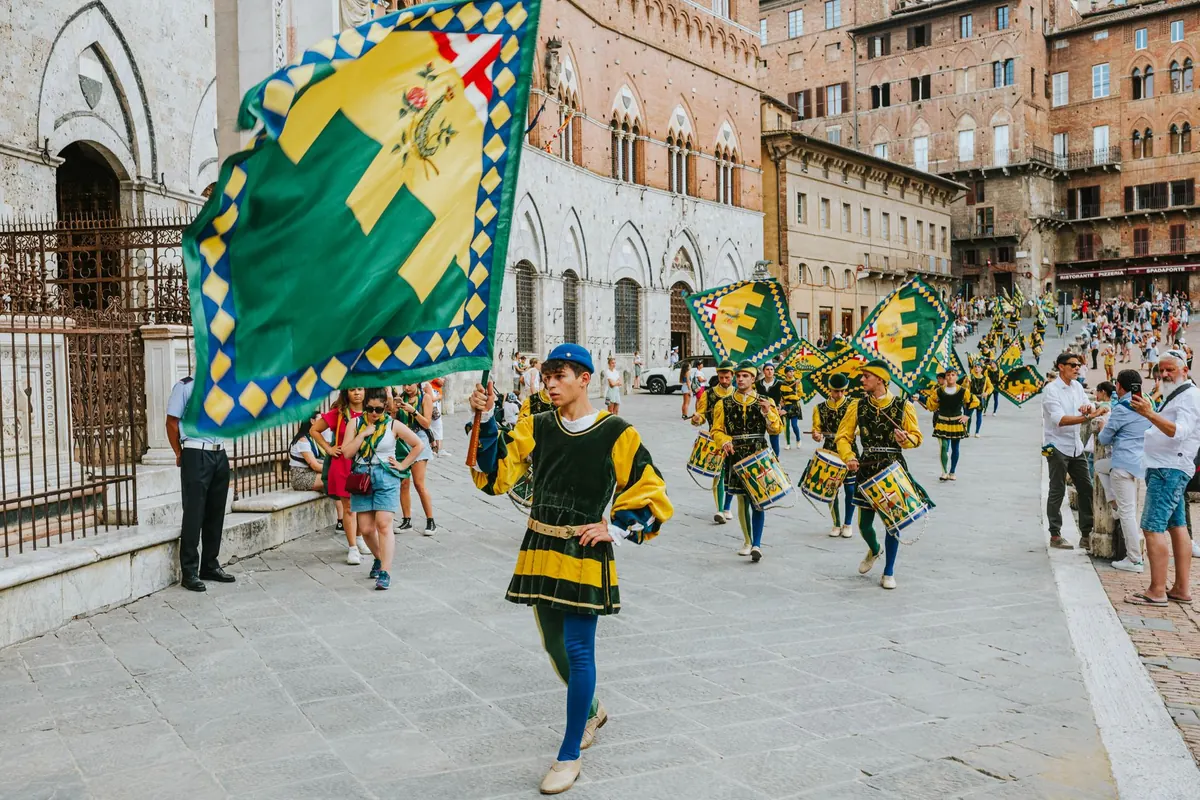
June is the month to plan around daylight. With sunset late, events can begin at eight and still finish in warm air, which encourages the format this place does best: a performance followed by an hour of standing around talking with a glass of something cold. Concerts, film screenings and open rehearsals all migrate outdoors.
The practical consequence is that you should book earlier than you think. June weekends are when visitors from nearby cities start arriving, and the outdoor seating is finite. Reserve the evening event, then leave the afternoon loose. If a performance is cancelled for rain, the replacement is usually indoors and smaller, so arrive early rather than late.
July: Peak Season
July is the fullest month: more events, bigger names, longer nights, and more people. Programming tends to be dense on Friday and Saturday and genuinely quiet on Monday and Tuesday, when the site resets. Plan your visit accordingly rather than assuming something is always on.
Heat changes the daily pattern. Daytime activities shift earlier or move into shade, and the substantial cultural programme starts after the worst of the sun has passed. A typical July day runs something like this:
- Morning: guided walks, markets and site visits, usually finishing by midday.
- Early afternoon: the quietest hours. Eat, rest, or sit somewhere shaded with a book.
- Late afternoon: workshops, talks and rehearsals open to the public.
- Evening: the main performance, often starting between eight and nine.
- After: food, conversation, and a slow walk back.
Bring water, wear something you can sit on grass in, and expect to queue for the bathroom at the interval. These are small frictions, and they are easier to accept when you have planned for them.
August: Slow Days and Late Nights
August splits into two moods. Around the middle of the month, many local businesses close for a week or two and the programme thins out. Either side of that pause, the evenings are busy and the atmosphere is holiday-like, with outdoor film, music and food events running later than usual.
Resist the temptation to fill every evening. The pleasure of August here is the interval: a long lunch, a siesta, a swim if you are near water, and then one good thing to do after dark. Choose two or three anchor events for the week and let the rest happen around them. Book restaurants for the evenings you care about; walk-ins get harder as the month goes on.
If You Are Coming With Children
Look for afternoon programming and anything described as a workshop, a walk or a performance for families. Evening events frequently run past ten, which is fine for older children and tiring for younger ones. Sit near the back so you can leave quietly if you need to.
September: The Last Warm Weekends
The season closes gently. Early September keeps the outdoor programme going while the crowds thin, and it is arguably the best time to visit if you want the summer experience without the summer density. Expect a final run of concerts, harvest-themed food events and open days, then a return to the smaller, indoor format that marked April.
Before You Book: Practical Notes
A few habits make the difference between a good visit and a frustrating one.
- Check the day, not just the event. Confirm which entrance is open and when doors close; late arrivals are often held outside until a suitable pause.
- Book the anchor, leave the rest open. Reserve one performance or dinner per day and let everything else be flexible.
- Ask about weather plans. Know in advance where an event moves if it rains, so you are not guessing in a downpour.
- Dress for the evening. Even in July, stone courtyards cool quickly after dark. A light layer is worth carrying.
- Arrive early for outdoor seating. Twenty minutes gives you a choice of position rather than whatever is left.
- Keep cash and card both handy. Smaller events and rural venues vary in what they accept.
Finally, treat the programme as a suggestion rather than a schedule. The best evenings at Sere Della Torre often begin with something you did not plan: an unexpected conversation, a rehearsal you wandered into, a table that kept you longer than intended. Leave room for that.
Photo: Mimi / Pexels